
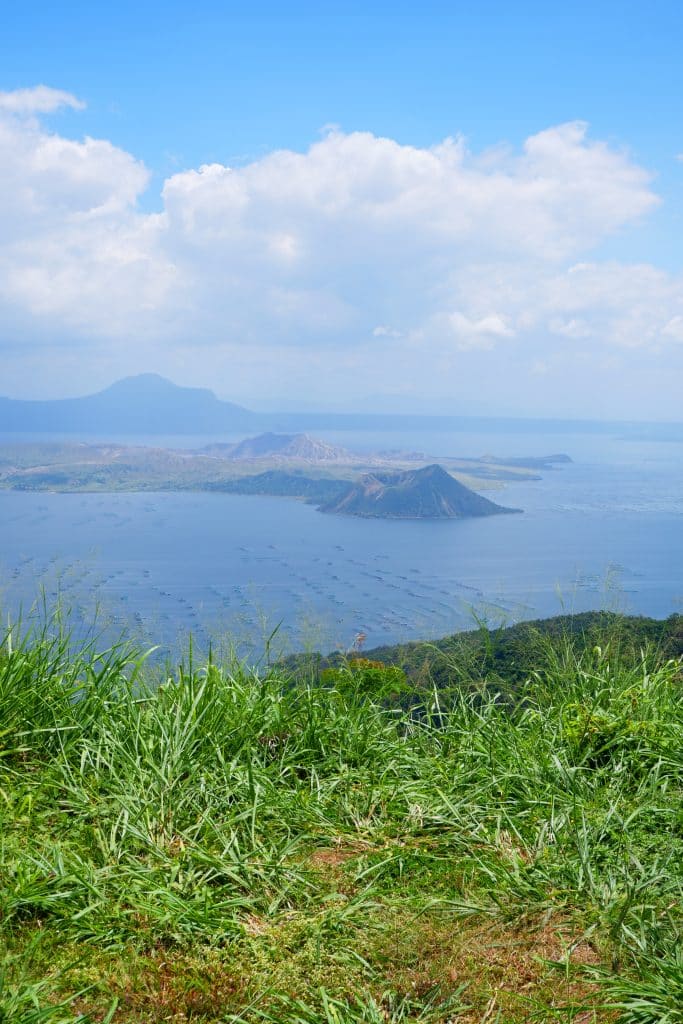
Balancing Tourism and Sustainability in the Philippines
The Philippines—a dazzling archipelago of 7,641 islands—has enchanted travelers for generations with its pristine beaches, kaleidoscopic coral reefs, and cultural tapestry woven through centuries. Yet as global tourism evolves, this tropical haven navigates a defining moment. How can this island nation continue to welcome millions of sun-seeking visitors while safeguarding its natural treasures for generations yet unborn? The solution emerges in the nation’s deepening embrace of sustainable tourism—not merely a passing trend, but an essential transformation that balances economic prosperity with ecological preservation, promising a future where paradise remains intact.
A New Era of Responsible Travel
Tourism is a lifeline for the Philippine economy, contributing nearly 13% to the country’s GDP before the pandemic. The challenge, however, has always been balancing economic benefits with environmental responsibility. The impact of mass tourism has been evident in destinations like Boracay, where overdevelopment and pollution led to its six-month rehabilitation closure in 2018. The bold move paid off—Boracay now serves as a model for sustainability, with stricter environmental laws, waste management policies, and visitor limits ensuring that its white sands remain pristine.
But Boracay is just the beginning. Across the archipelago, other destinations are taking proactive steps to embrace responsible tourism. Palawan, often dubbed the “last ecological frontier,” has been pioneering sustainable practices, from eco-friendly resorts to strict conservation policies in protected areas like the UNESCO-listed Puerto Princesa Underground River. Meanwhile, Bohol is leveraging its rich biodiversity and indigenous culture to promote eco-tourism that benefits local communities without harming the environment.
The Rise of Green Tourism Initiatives
Sustainability in tourism goes beyond keeping beaches clean. It involves reducing carbon footprints, supporting local businesses, and preserving cultural heritage. In recent years, eco-friendly accommodations have been sprouting across the country, offering travelers a chance to minimize their impact while enjoying the beauty of the Philippines.
Luxury resorts in Palawan and Siargao are now integrating solar power, rainwater harvesting, and zero-waste policies into their operations. Some use refillable glass water bottles instead of plastic, while others, such as El Nido Resorts, ensure that their energy consumption comes from renewable sources. Beyond accommodations, tour operators are also embracing sustainable practices, offering carbon-neutral island-hopping packages and marine conservation activities that allow travelers to give back while exploring.
One of the most promising developments in green tourism is the increasing engagement of local communities. In the Cordilleras, indigenous groups are leading sustainable farm tours, showcasing centuries-old rice terraces while educating visitors about their way of life. Similarly, in Donsol, Sorsogon, locals are at the forefront of whale shark tourism, ensuring strict guidelines are followed to protect these gentle giants from harm.
A Circular Economy in Tourism
The circular economy has emerged as a powerful new paradigm in Philippine tourism, extending far beyond basic eco-friendly practices. This innovative approach strategically minimizes waste while maximizing resource utilization, creating a virtuous cycle where tourism benefits both environmental sustainability and economic prosperity.
Across popular destinations like Cebu and Batangas, forward-thinking resorts are pioneering zero-waste operations. These establishments meticulously compost organic waste and imaginatively repurpose materials into stunning furniture and décor pieces, demonstrating that luxury and sustainability can coexist beautifully.
The souvenir industry is undergoing a similar transformation. Moving away from mass-produced trinkets, local artisans are now crafting unique, handmade keepsakes from recycled materials. Visitors can purchase intricately woven bags fashioned from discarded tarpaulins or elegant jewelry pieces created from reclaimed wood, taking home not just a memento but a story of environmental stewardship.
The culinary scene has likewise embraced this circular philosophy. Farm-to-table restaurants have gained remarkable popularity throughout the archipelago, showcasing locally sourced ingredients that significantly reduce carbon footprints while simultaneously supporting the livelihoods of local farmers and fishing communities. These dining establishments create meaningful connections between tourists and the local food ecosystem, offering authentic flavors while ensuring economic benefits remain within the community.
Preserving the Past, Protecting the Future
Cultural heritage is an often overlooked aspect of sustainable tourism, yet it plays a crucial role in shaping travel experiences. The Philippines is home to centuries-old churches, ancestral homes, and indigenous traditions that deserve as much protection as its beaches and forests. Responsible tourism means respecting local customs, preserving historic sites, and ensuring that tourism revenues help sustain cultural heritage.
Vigan, a UNESCO World Heritage city, has successfully managed its influx of tourists by implementing strict conservation guidelines. By limiting vehicular traffic in its heritage zone and promoting walking tours, Vigan protects its cobblestone streets and Spanish-era houses from excessive wear and tear. Similarly, the Banaue Rice Terraces, often called the “Eighth Wonder of the World,” rely on sustainable tourism practices to maintain their delicate ecosystem and the livelihoods of the Ifugao people who have cultivated them for over 2,000 years.
The Road Ahead: Everyone’s Responsibility
While the Philippine government and private sector have made strides in sustainable tourism, the responsibility ultimately falls on everyone — travelers, business owners, and policymakers. The choices we make as tourists, from refusing single-use plastics to booking eco-certified accommodations, have direct impacts on the environment. Supporting community-based tourism initiatives ensures that travel benefits the locals while fostering cultural appreciation.
At this critical juncture in Philippine tourism, sustainability represents an imperative rather than a choice. By implementing thoughtful regulations, fostering partnerships across sectors, and revolutionizing industry attitudes, the archipelago can showcase how environmental stewardship and breathtaking destinations naturally complement each other. The mission to protect the Philippines’ extraordinary beauty transcends current tourism concerns—it represents a sacred commitment to all who will visit these shores in the decades ahead.


